There is a specific sound a full laundry bag makes when it bumps down three flights of stairs in February, and I can hear it in my sleep. Our building has one coin washer and one coin dryer in the basement, shared among twelve units. A wash is $2.75. A dry is $2. The basement is chilly, the light flickers, and the dryer has a personality. We have made peace with all of it.
When we were apartment hunting, in-unit laundry was on my wish list and quickly fell off when I saw what it did to rent. I don't regret it. But living without a washer takes a system, especially for two people and a cat who believes clean towels are her personal bed.
The real cost, in numbers
We do about three loads a week: one of mixed clothes, one of towels and sheets, and every other week a load of Sam's work clothes. Each load is a wash plus a dry, so $4.75. That's about $14 a week, or roughly $60 a month in quarters. We split it the same way we split everything else, by income.
Some weeks we stretch it by air-drying. A collapsible drying rack in the bathtub handles delicates, sweaters and anything that shrinks. In winter, with the baseboard heat running, things dry overnight. That saves $2 a load when we bother, which adds up.
The quarter problem
The machines take only quarters. We used to run out constantly and end up at the corner store asking for change. Now we get two rolls of quarters ($20) at the bank whenever the jar gets low and keep them in an old jam jar on the closet shelf. It's a dumb little thing that removed a weekly source of friction.
Our laundry system
Two hampers, sorted at the source
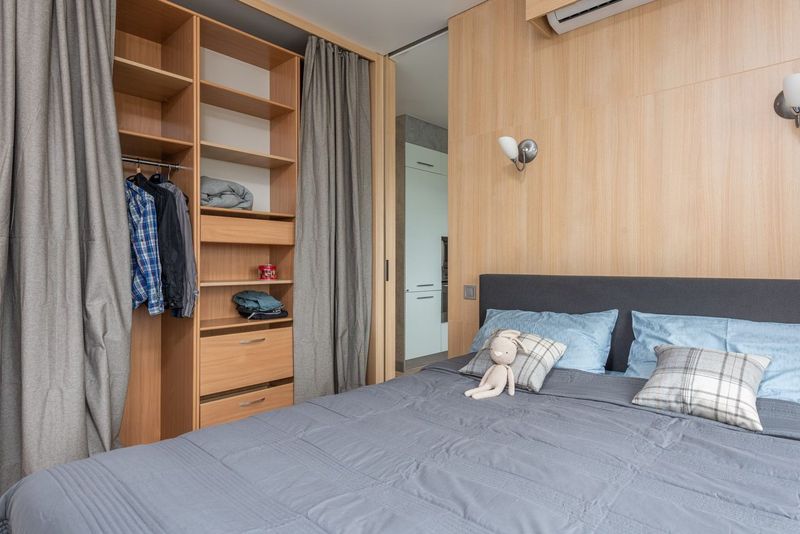
Our bedroom closet has room for two narrow hampers side by side. One is darks and everyday clothes, one is towels and whites. Sorting as we undress means no sorting on the basement floor, which, in February, is not where you want to linger.
A bag that can handle stairs
We stopped using a plastic basket after the third time something fell out on the second-floor landing. A big zippered laundry backpack goes over one shoulder and leaves a hand free for the railing. A smaller mesh bag holds the detergent pods, dryer sheets and quarters.
Timing the machines
The laundry room is busiest on Sunday afternoons and weekday evenings. The quietest window we've found is weekday mornings between 9 and 11, which is convenient because I work from home. I take a work call or answer email during the wash, run down, switch it, and come back. I set a phone timer every time, because leaving clothes in the washer is the fastest way to become the neighbor everyone sighs about.
- Start the wash (31 minutes on normal), set a timer for 32.
- Move to dryer, run on medium for 45 minutes.
- Pull everything out warm and fold on the bed immediately.
That last step matters. Folding warm clothes takes half the time and leaves fewer wrinkles. Dumping them on a chair "for later" is how we used to end up living out of a pile for a week.
Basement etiquette we've learned
- If someone's clothes are sitting in the washer, wait ten minutes before moving them. Then move them gently onto the folding table, not the floor.
- Clean the lint trap before and after. The dryer runs better and it's a fire safety thing.
- Don't overload. The washer will walk across the floor and stop mid-cycle. Ask how we know.
- Leave a note if something's broken, and email the landlord too. Notes alone get ignored.
The bulky stuff
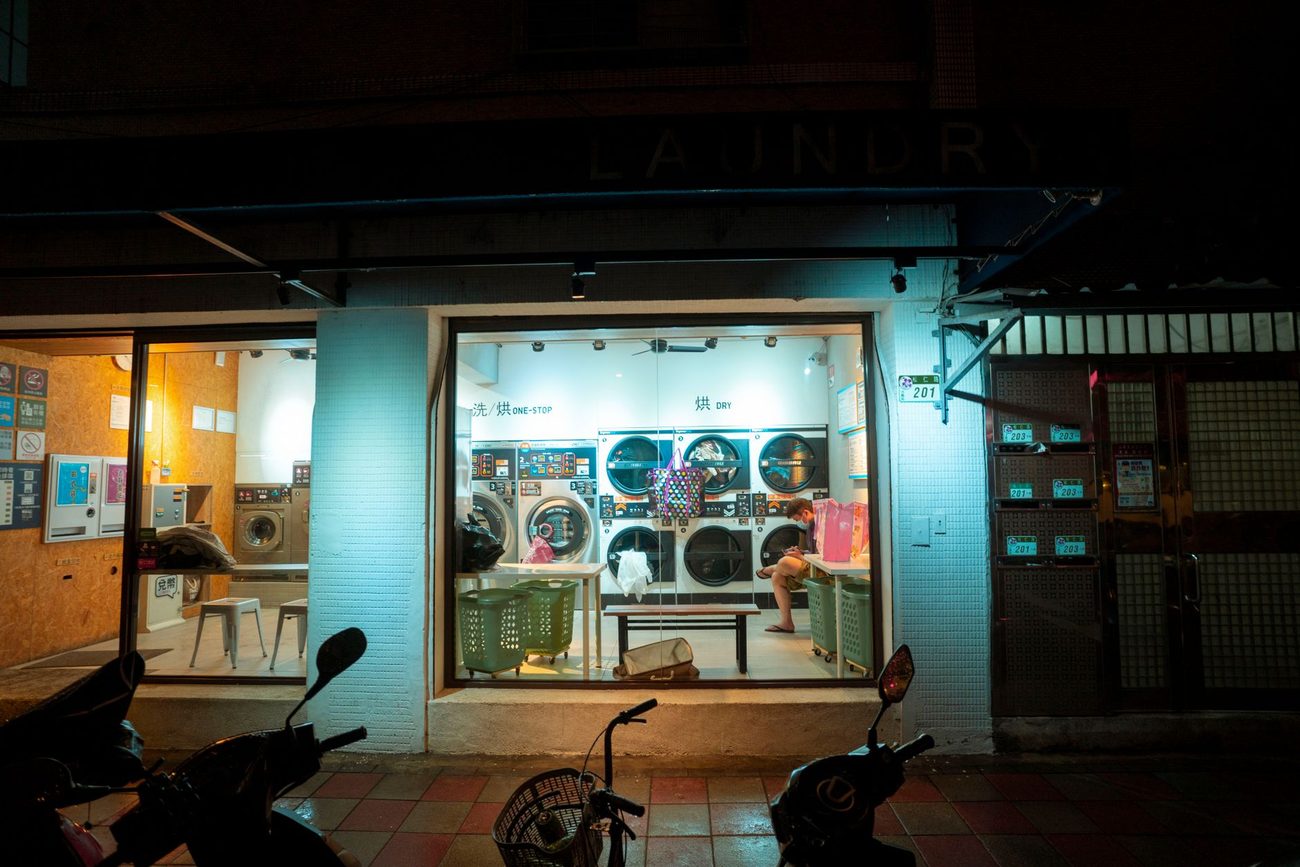
Our duvet technically fits in the basement washer, but it never fully dries in one cycle and comes out lumpy. Twice a year, we take it and the bath mats to a laundromat a few blocks away with the big front-loaders. It costs around $12 for the whole trip, and we turn it into an outing with coffee while it spins.
What I'd tell someone without a washer
Buy fewer, better-matched towels. Get a drying rack you can fold flat. Keep quarters in a jar, not your wallet. Do laundry on a schedule instead of when you run out of socks, because running out of socks always happens at 10 p.m.
It's Friday morning as I write this, the wash is running, and I have nineteen minutes until my timer. Olive is sitting in the empty hamper like it was put there for her. In a while I'll walk down three flights with a cup of tea in one hand and come back up with warm towels, and in February, that's not the worst way to spend a morning break.